Kentucky cave country
191.0 measured miles, and you reserve a 3 night Mammoth Cave trip from Cincinnati
191 road miles from Fountain Square and 3.71 hours behind the wheel, set against three booked nights. That comes to 1.24 hours of road for every night, the second of four steps: the road is a morning.
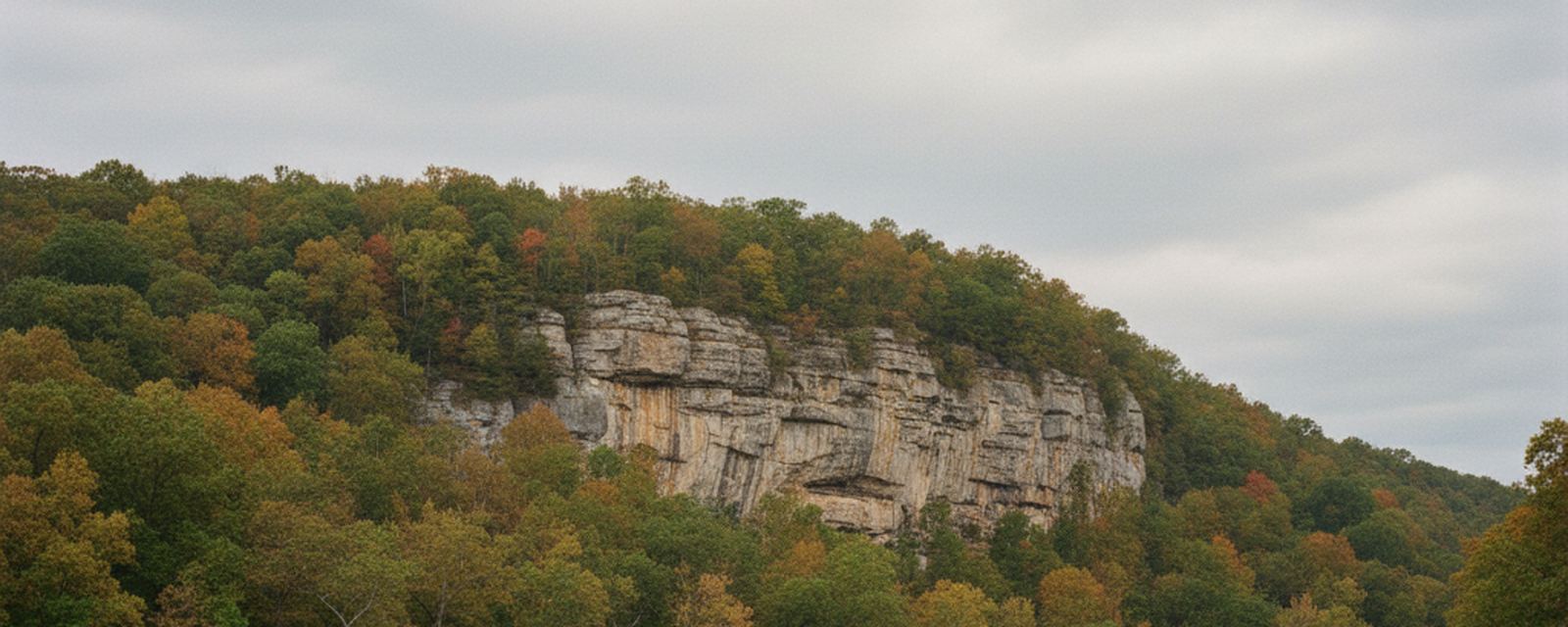
Nothing is held here until the office has written back and you have said yes to what it wrote. No part of a stay is ever paid for through these pages.
- Road from Fountain Square
- 191.0 miles
- Hours at the wheel
- 3.71
- Nights the office books
- 3
- Hours of road per night
- 1.24
- From
- $600 per person
Hours and miles are measured along the road from Fountain Square, not drawn straight on a map, and they assume clear traffic. Your own run will differ with weather, roadworks and the hour you leave.
A morning of road, then three nights
One sentence covers the offer: reserve a 3 night Mammoth Cave trip from Cincinnati, with the road measured first and the bed booked second. From Fountain Square the route runs 191 miles and 3.71 hours. Set against the three nights the office holds, that comes to 1.24 hours of driving for every night slept, which puts this entry on the second of four steps. The road is a morning. Breakfast in Ohio, lunch somewhere in central Kentucky, the car parked well before dark.
Nothing here is a package of moving parts. The office books three nights of lodging near the cave, sends written confirmation, and prints the measurement it used to place this entry. The drive belongs to the traveler: own car, own hour of departure, own stops.
Two nights would make the same road work harder and drop this entry a step. Three is the number at which the driving stops being the main event of the week.
What is actually under these hills
Mammoth Cave is limestone, roofed by a hard cap of sandstone that has kept the ceilings standing. More passage has been mapped here than in any other cave system known, on level after level, and the lowest ones still carry water toward the Green River.
No one goes down alone. Every route below ground is walked with park staff on a set schedule, and the routes differ more than newcomers expect. Some are wide, lit and close to level. Others run long, with steps, low ceilings and slots narrow enough to turn sideways for. Pick by knees and lungs, not by ambition.
The surface tells the same story in the open: sinkholes dropped into pasture, dry valleys with no stream in them, springs that run cold in August. Hardwood forest covers most of the park, and the park roads are narrow, slow and quiet.
Two full days and three evenings
Three nights leaves two clear days in the middle. A common division gives one day to the cave, often two different routes with a long lunch between them, and the second day to daylight: trails, the river valley and the towns just outside the park.
Above ground the short walks are the good ones. Cedar Sink drops by steps to a place where a river surfaces and goes under again. Turnhole Bend looks down on the Green River from a bluff. Sloans Crossing Pond has a boardwalk around it and frogs loud enough to hear from the lot. North of the river the trails run longer, rougher, and are shared with horses.
Evenings are quiet by default. The nearby towns keep a handful of kitchens open and shut early, and the dark over the park is deep enough that the sky is worth standing outside for.
How the road runs south
Out of Cincinnati it is two interstates and one turn. I-71 southwest to Louisville, over the Ohio River, then I-65 south past Elizabethtown and onto the sinkhole plain, then west on a two lane road for the last part into the park.
What passes the window changes three times. Northern Kentucky is rolling pasture and black barns. South of Louisville the low knobs close in and the road cuts through gray limestone, the same rock that is hollow further on. Then the land flattens and starts to dimple, fields dipping in circles where the ground has gone down.
191 miles, 3.71 hours, and nothing difficult in it. One stop for fuel covers the whole run. The office prints that same measurement on the confirmation, because it is the figure that placed this entry where it sits in the list.
Where the three nights are booked
Go Air Travels books the rooms close to the park, on the side the road comes in from, so the last part of the drive is not repeated twice a day. Parking is on the property and the car can stay put until morning.
Rooms are plain. Bed, bathroom, coffee, a lot outside, and walls thick enough for people who came back late from a long route underground. The booking is made in the traveler's name, confirmed in writing, and one person at the office handles any change to the dates.
From $600 per person for the three nights, on the basis of two sharing a room. What that covers and what it does not is set out below, and the total is confirmed at the time of booking.
What the figure holds
- Three nights of lodging near Mammoth Cave, held in the traveler's name
- Written confirmation carrying the address, the room type and both dates
- The measured route from Fountain Square: 191 miles and 3.71 hours
- Lodging taxes and parking on the property
- One named contact at the office for changes made before arrival
- A list of the cave routes running on the booked dates, as published by the park, which takes its own reservations
What it leaves to you
- The drive itself: fuel, tolls and anything the car asks for
- Entry below ground, reserved and paid directly with the park
- Meals, and everything bought along the road
- Insurance of any kind; the office does not sell it, arrange it or advise on it
- Anything that is not written on the confirmation
The office adds no booking fee of its own. What you pay is what each supplier charges, and the written offer shows each line separately.
When this one is worth the road
Underground there is no season, and the temperature below stays the same in February as in August. The surface has one. Late April and May give wildflowers, a full green river and long light. Late September through October gives hard clear light, dry trails, cold nights and color along most of I-65. Summer works with a caveat: the cave routes fill early on weekends and the interstate south of Louisville is busy. Winter is the quietest, with fewer routes running below ground and short daylight that has to be counted against the drive home.
Does the office arrange the drive?
No. The office books the three nights and measures the road, and that is the whole of it. It arranges no transport of any kind and has no arrangement with anyone who does. Car, route and hour of departure stay with the traveler.
Can the office get us into the cave?
No. Every route below ground is reserved through the park's own system and paid to the park. The office has no connection to the park and cannot promise a place on any route. What it sends is the list of routes running on the booked dates, early enough to reserve them.
Why three nights for a road this short?
Because the order in this list is hours of road divided by nights booked. At 191 miles and 3.71 hours over three nights, each night carries 1.24 hours of driving, which is the second step of four. Cut a night and the same road weighs more on the ones left.
Nothing in this list moves you. Getting from one place to the next is outside what this office reserves and it signs nothing with any carrier; you take your own car, and the office books what waits at the far end.
Start with the number of nights
Tell the office how many nights you have. Everything else follows from that number, including whether the drive is worth making at all.