Detroit riverfront, Michigan
260.9 measured miles, and you reserve a 2 night Detroit riverfront trip from Cincinnati, 260.9 miles out
The road from Fountain Square runs 260.9 measured miles, and 5 hours pass behind the wheel. Split across the 2 nights the office books, that is 2.5 hours of driving carried by every night in the room.
Nothing is held here until the office has written back and you have said yes to what it wrote. No part of a stay is ever paid for through these pages.
- Road from Fountain Square
- 260.9 miles
- Hours at the wheel
- 5.00
- Nights the office books
- 2
- Hours of road per night
- 2.50
- From
- $450 per person
Hours and miles are measured along the road from Fountain Square, not drawn straight on a map, and they assume clear traffic. Your own run will differ with weather, roadworks and the hour you leave.
Five hours out, two nights at the water
Go Air Travels will reserve a 2 night Detroit riverfront trip from Cincinnati, and the measured figures come before anything else is said. The road from Fountain Square runs 260.9 miles. Behind the wheel that is 5 hours. The office books 2 nights at the river, so each night in the room has to carry 2.5 hours of driving.
This entry sits at the bottom of the list, and that quotient is the reason. Here the road is half the trip, which is the plain way of saying that a large part of the two days is spent moving. Nothing about the drive gets shorter once the reservation is placed, so the number is printed now rather than later.
Further up the list are short roads held over many nights. This one is the opposite case. Some readers see 2.5 hours a night and stop reading, and stopping there is a reasonable thing to do. The office would rather lose the reservation than hand over the arithmetic afterward.
What stands on the river
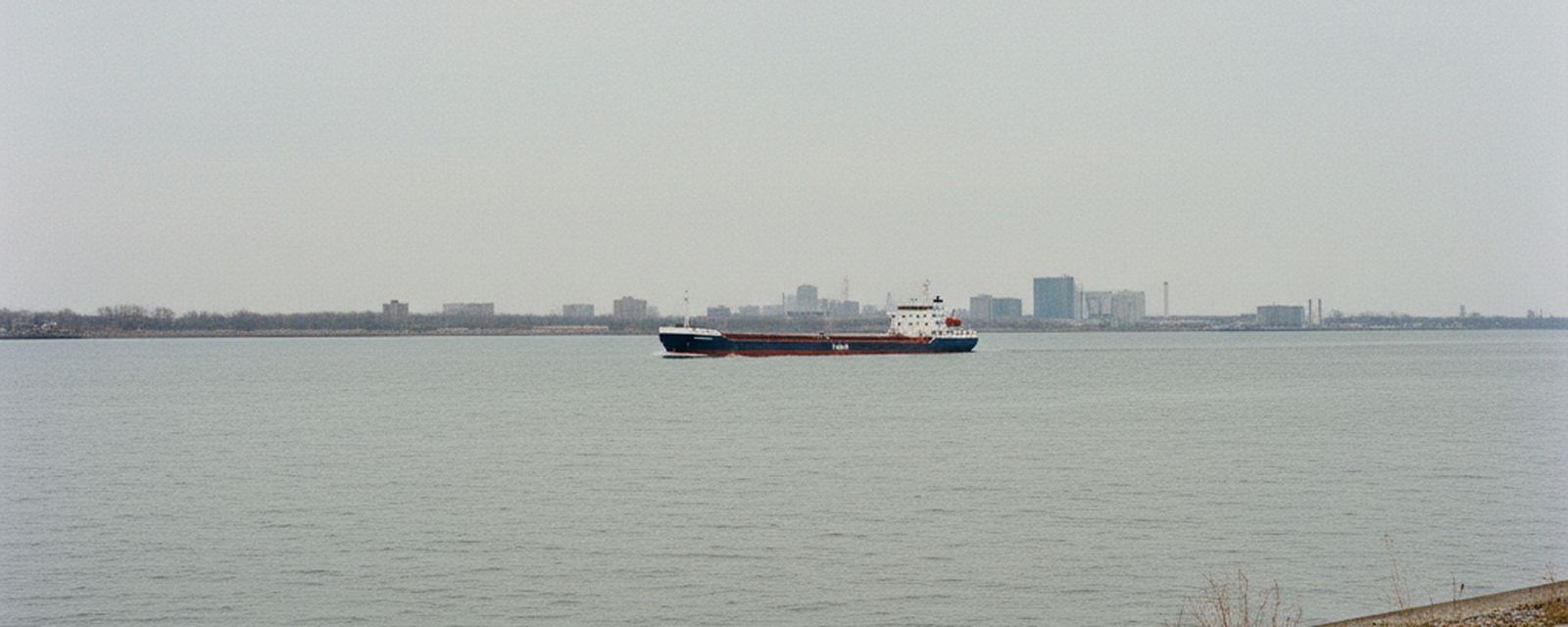
Detroit is built on a strait, not on a lake, and the water in front of the city moves. It runs toward Lake Erie all day, and freighters use it as a working channel, sitting low when they are loaded and high when they are empty. The far bank is Ontario. The stay keeps to the near side, and no crossing is arranged or needed.
A paved walk follows that near bank through the middle of the waterfront and stays flat the whole way. Grass, benches, a carousel and a run of small parks sit along it. Boats tie up at one end; at the other the walk passes an old industrial stretch that the city has been turning back into public ground, slowly and in pieces.
Behind the walk the ground lifts a little into the downtown grid. A broad stone plaza opens at the foot of the main street, and festivals set up on it through the summer. Running inland there is also a sunken greenway below street level, paved and painted along its walls, which climbs gently to the market sheds north of downtown.
How the two nights fill
The first evening usually goes to the walk. After 5 hours in the car most people want to be out of it, and the near bank is the obvious answer: flat, paved, lit, and long enough that an evening disappears into it without a plan. In fall the lights on the far bank come on early, and the water holds them.
The full day in between is the one worth thinking about. The island park in the river is reached by a bridge from the near bank, and it holds a glass conservatory, a small aquarium building, a marble lighthouse and a shoreline road with the skyline on one side and the open channel on the other. Inland from the water a museum quarter gathers several large collections within walking distance of one another.
The second morning has two usual shapes. One is the market sheds, which fill on Saturday and are quiet the rest of the week. The other is the greenway, shaded in parts and ending at the same water it began from. After that, the same road back.
Two states, one road number
It is one road number for almost the whole distance. I-75 climbs out of the Cincinnati basin and runs north past Dayton, and from there the land flattens and stays flat. Northwest Ohio is drainage ditches, grain elevators and long straight fields, and it goes by without asking much of the driver, which is its own kind of easy road.
Toledo is the last large city before the state line, and the road crosses the Maumee there with tanks and cranes on the water below. After the line the towns come closer together, and the final stretch runs through the working ground south of Detroit: refineries, steel and salt. Then the skyline arrives faster than expected, and the last of the drive is city blocks and traffic lights down to the water.
A morning start puts the car at the river with most of the afternoon still ahead, and that is the practical difference between two nights and one. Going home the same road runs the other way, and it is the part of the trip nobody enjoys. The office says so plainly: 260.9 miles is 260.9 miles in both directions.
Where the car sits, and what the office books
Once the car leaves the interstate it has finished working. The room is booked within walking distance of the near bank, and parking for the whole stay is part of the price, so the two nights are spent on foot. That is the only reason the road gets measured first: the driving is a cost, and it is paid in one lump at each end.
Go Air Travels arranges no transport at all. Nothing that moves is booked for the traveler, on the road or off it. The office reserves rooms, writes down what it has reserved, and prints the measured distance and the hours behind the wheel on the same sheet, so the shape of the whole trip sits on one page before anything is agreed.
The price for this entry is from $450 per person for the 2 nights. The final figure follows the dates and the room, and it is confirmed in writing before the reservation is placed. No payment is taken on this site.
What the figure holds
- Two nights in a room within walking distance of the near bank, room taxes covered
- Parking for the car for the length of the stay
- A written road sheet: 260.9 measured miles from Fountain Square, 5 hours behind the wheel, 2.5 hours of road for each night booked
- A written confirmation naming the address, the dates and the price before anything is agreed
- A walking plan for the near bank and the island park, marked in a short version and a longer one
- One person at the office handling the reservation from the first request to the confirmation
What it leaves to you
- Fuel and anything else spent between Fountain Square and the river
- Meals, drinks and admission charges, plus the state permit a car needs to enter the island park
- Transport of every kind. The office arranges none, and the drive is made in the traveler's own car
- Insurance of any kind. Go Air Travels does not sell it, arrange it or advise on it
- Any night beyond the two the office books
The office adds no booking fee of its own. What you pay is what each supplier charges, and the written offer shows each line separately.
When this one is worth the road
The walk is the reason this entry exists, so weather decides more here than it does on an inland stay. Late spring through early fall is the straightforward window: flat water in the morning, a busy near bank in the evening, and two nights that fill themselves. September and the first half of October run steadier than July, with less humidity and fewer festivals on the plaza. Deep winter is a different trip altogether. Wind comes straight down the channel with nothing to slow it, the light goes early, and snow blows across the flat ground south of Toledo, where 5 hours of road can turn into something longer. Freighter traffic also thins while the locks upstream are shut. The office will not promise a freighter, a sunset or a clear morning, because none of the three is in its hands.
Does the price cover getting to Detroit?
No. The office arranges no transport of any kind. The figure covers the two nights and the items listed above. The drive is made in the traveler's own car, and fuel is the traveler's own cost.
Five hours of road for two nights: does that make sense?
It is the plainest thing on this page and the reason the entry sits last. 5 hours at the wheel across 2 nights is 2.5 hours of road carried by each night. The office prints that quotient before the reservation rather than after it, and some readers decide against the trip on the strength of it. That is what the number is there for.
Will there be freighters on the river?
Most likely during the shipping season, but the office will not promise it. The channel is a working one and the schedule belongs to the boats. The stay is booked for the water and the walk; whatever comes down the channel is extra.
Nothing in this list moves you. Getting from one place to the next is outside what this office reserves and it signs nothing with any carrier; you take your own car, and the office books what waits at the far end.
Start with the number of nights
Tell the office how many nights you have. Everything else follows from that number, including whether the drive is worth making at all.