1.37 hours a night
5 nights against 6.86 hours: reserve a 5 night Asheville trip from Cincinnati, 344.4 measured miles out
The run down to the Blue Ridge is 6.86 hours of driving. Divided by the five nights the office holds, that is 1.37 hours of road carried by every night of the stay.
Nothing is held here until the office has written back and you have said yes to what it wrote. No part of a stay is ever paid for through these pages.
- Road from Fountain Square
- 344.4 miles
- Hours at the wheel
- 6.86
- Nights the office books
- 5
- Hours of road per night
- 1.37
- From
- $1,150 per person
Hours and miles are measured along the road from Fountain Square, not drawn straight on a map, and they assume clear traffic. Your own run will differ with weather, roadworks and the hour you leave.
The arithmetic before the valley
Asheville stands 344.4 measured miles from Fountain Square, and the drive down takes 6.86 hours on a clear road. Set against five nights, that comes to 1.37 hours of driving for each night reserved. Go Air Travels can reserve a 5 night Asheville trip from Cincinnati on that figure and on no other reasoning.
The quotient puts this entry on the third of four steps, where the road is most of a day. That is worth saying in plain words before a date is picked. A driver who pulls out after breakfast arrives in the valley late in the day, with enough road behind the wheel that the first evening is good for supper and sleep and very little else. The office counts that evening as part of the drive rather than as part of the stay.
Five nights is what keeps the figure where it is. Ask for fewer at this distance and the quotient climbs, the entry moves down a step, and the new number goes into the written offer before anything is held. The office would rather print that number than let it turn up afterward.
The road down, and what it does at the end
The first half runs south through Kentucky, bluegrass and horse fence giving way to coal country and then to the Cumberland plateau, with a long grade down into Tennessee. Knoxville is the hinge. After it the road bends east and follows the Pigeon River into a gorge, where the lanes narrow, the rock stands close on one side and the water on the other, and trucks crawl.
That gorge is the part to plan around. It has been shut and rebuilt more than once, it can be squeezed to a single lane without notice, and fog sits in it on warm wet mornings. The office confirms the road is open for the dates asked about and writes down what it finds. It does not promise a clear run, because a clear run is not in its hands.
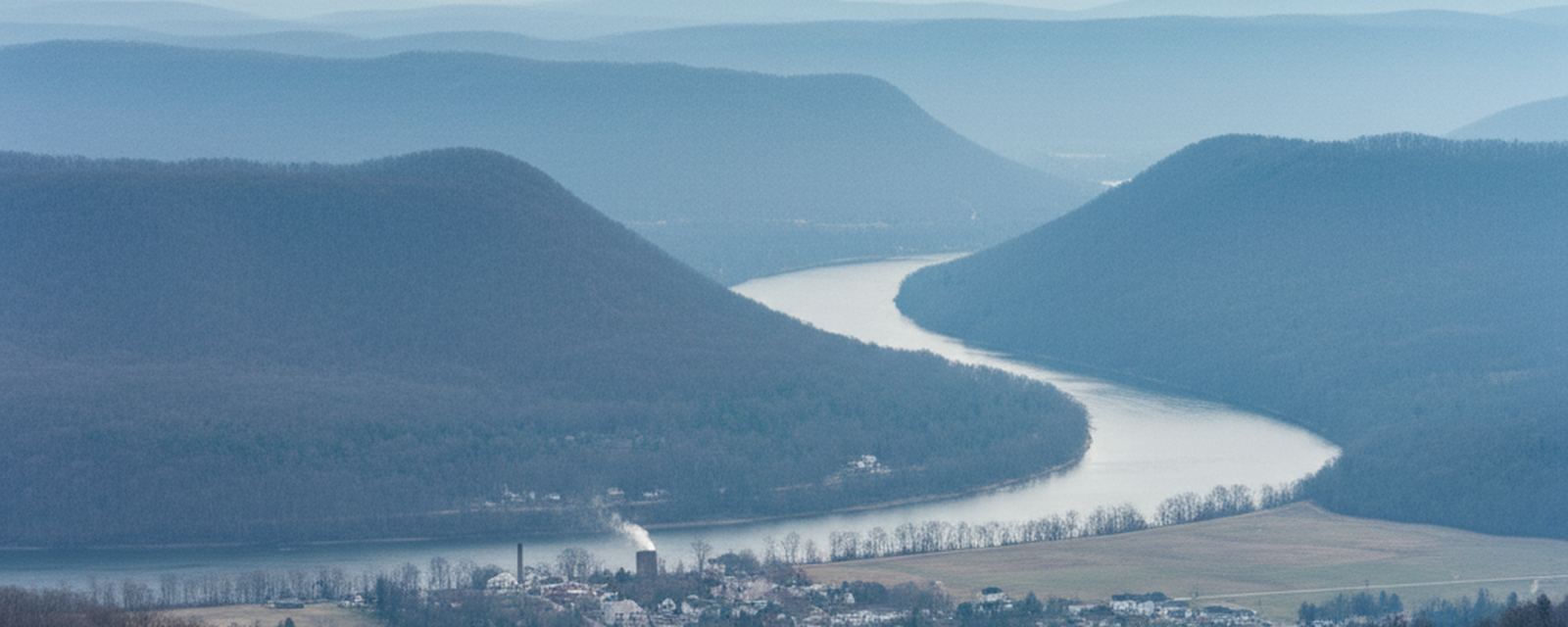
Past the state line the road climbs, tops out in cold thin weather that can differ from Cincinnati by a season, and then drops into the French Broad valley. The last part of the drive is the part most people remember: ridge behind ridge, each one paler than the one in front of it, and the town sitting low among them.
What stands in the valley
Downtown Asheville is small, dense and walkable, brick and terra cotta from the boom years, saved mostly by poverty. The city carried its debts from the crash for decades and had no money to knock anything down, so the old center survived intact while richer places replaced theirs. Five nights is long enough to stop treating it as a sight and start using it as a place to eat and walk after dark.
The French Broad River runs north through the west side of town, which is the wrong way for a river and one of the older watercourses on the continent. The old industrial sheds along its banks hold working studios. That district took a severe flood and has come back unevenly, so the office says which parts are open at the time of the request instead of printing a list here that will be wrong by the time it is read.
The valley sits high. Summer afternoons build thunder and clear again, and even in July a jacket earns its space in the trunk after sundown.
How five nights actually fill
The crest road above town is the spine of the stay. It runs the ridge line with overlooks every few minutes, it is slow on purpose, and it turns a short distance into a long afternoon. A spur off it climbs to Mount Mitchell, the highest ground in the eastern states, where the forest turns to spruce and fir and the temperature drops as the road goes up.
Below that there is more than five nights can hold. Waterfalls fill the counties southwest of town, thick enough that some sit a few steps off the pavement. Hot Springs lies north where the river cuts through, the town of Black Mountain sits east under the range of the same name, and grassy balds open on the ridges toward Tennessee, bare summits with nothing on them but wind and long sight lines.
Two of the five nights usually go to the mountains and three to the town, or the other way around. The office writes the split into the outline it sends back, and changes it on request without charging for the change.
Where the nights are held, and what that costs in road
Lodging in the town means walking in the evening and driving in the morning. Lodging out on the ridge means the opposite: quiet, cold nights, the sound of water, and another half hour of road every time supper is wanted. Neither is better than the other, and the office will not pretend to know which suits a stranger. It states the trade and lets the reader pick.
Whatever is picked, the reservation is held in the reader's name, the supplier bills the reader directly on its own terms, and the written offer sets out each line on its own. Five nights in this valley start at $1,150 per person, and the figure that matters just as much sits beside it: 6.86 hours down, and 1.37 of them against every night.
Nothing on the road belongs to this office. The route, the car and the hours behind the wheel are the reader's own. What is reserved here is the bed, the dates and the written record of what the drive will take.
What the figure holds
- Five nights of lodging in or near Asheville, from $1,150 per person, held in the name given on the request.
- The measured figures for this entry set down in writing: 344.4 miles, 6.86 hours, 1.37 hours of road against each night.
- A written outline for the five nights, built around the hour the drive is likely to end rather than around a clock time on paper.
- Notes on the road itself, with the stretches worth stopping at and the stretch worth checking before setting out.
- One rewrite of that outline after the reader has read it and said what is wrong with it.
- Written confirmation of every reservation before the office treats any part of the stay as held.
What it leaves to you
- Transport of every kind. The car, the fuel and the hours behind the wheel stay with the reader.
- Meals, apart from anything the lodging serves with the room.
- Admission to anything in the valley or on the ridge.
- Cover against cancellation, delay or damage. The office does not sell it, does not arrange it and will not advise on it.
- Everything spent between Fountain Square and the state line.
The office adds no booking fee of its own. What you pay is what each supplier charges, and the written offer shows each line separately.
When this one is worth the road
Late April into June is when the valley pays the road back most reliably: the slopes green up from the bottom, the laurel and rhododendron open on the higher ground, and the nights stay cold enough for blankets. October pulls the color down the mountain week by week and fills the crest road with slow traffic, which is worth knowing before a date is chosen. July and August are warm and wet in the afternoons, and the high ground is where the heat goes to die. Winter shuts long sections of the crest road with ice and leaves the stay a town stay, which some people want and some do not. The office cannot promise weather or color and does not try; it says what the month usually does and lets the reader weigh it against 6.86 hours of road.
Does Go Air Travels arrange any part of the drive?
No. The route is the reader's to choose, the car is the reader's own, and not one of the 6.86 hours is sold by this office. What is reserved is lodging at the far end of them, with the measured distance written out first so the decision is made with the number in view.
Can the stay be shorter than five nights?
It can be asked for, and the office will say plainly what it does to the figure. At 6.86 hours, four nights or three put more road behind every night and move the entry down a step. Nothing is refused for that reason; the recalculated number simply goes into the written offer before anything is held.
What happens if the road is closed on the dates chosen?
The gorge stretch in Tennessee and the crest road above the valley both close, the first for rebuilding and slides, the second for ice. The office checks both before it confirms and puts what it finds in writing. If a closure lands on the dates, it says so and the dates move; it does not quietly book the nights and let the driver meet the detour on the road.
Nothing in this list moves you. Getting from one place to the next is outside what this office reserves and it signs nothing with any carrier; you take your own car, and the office books what waits at the far end.
Start with the number of nights
Tell the office how many nights you have. Everything else follows from that number, including whether the drive is worth making at all.